
KEY CHANGES / DUNWOODY
Same door. A new key plan.
When the question is who still holds a working key, start with the key history and the doors you actually want to change.
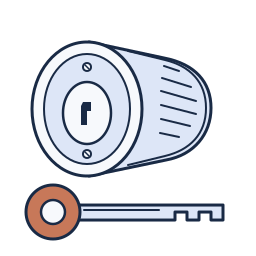
What rekeying changes.
Rekeying changes the key that operates a compatible lock. It is worth discussing when the hardware is usable but the access arrangement needs to change: after a home handover, an unreturned spare or a business staff change. The existing lock and the result you want determine whether it is an appropriate option.
A lock that is worn, loose or difficult to operate also needs its symptoms considered. Changing which key works does not by itself resolve every fault. If the problem is mechanical, include a lock repair inquiry in the conversation.
Take a quiet key inventory.
Start with the keys you have, the doors they open and the people who should keep access. Include keys held by a household member, a trusted spare-key holder or an authorized member of staff. You do not need to share personal routines or hide-a-key locations on a public page or message.
For a home, separate private locks from a managed building entrance. For a Village shop, identify its own premises doors and any common access used by other occupiers. The business key handover guide offers a practical way to record what should be returned and what should change.
One key is a request to check.
If you would like several locks to work with one key, say which locks they are and whether they already share a key. Compatibility matters; a collection of different locks cannot automatically be treated as a single system. Discuss the actual hardware before choosing an arrangement.
Tell us whether a current working key is available and who can approve changes. For a rented home, see the residential locksmith page for the distinction between your own door and shared-building access. A building credential or parking fob needs its responsible operator involved.
Plan the final handoff.
Decide who needs the resulting keys and how you will identify them without attaching the full property address to the key ring. Agree which doors are included and how the intended operation will be checked at the end of the work.
When you call LockReach, explain whether this is a planned change or a problem preventing access now. Confirm availability, the scope and the estimate for your address. The aim is a clear key arrangement, with the hardware condition considered alongside it.
GOOD QUESTIONS
A little more detail.
Will rekeying fix a sticking lock?
A sticking lock needs its mechanical symptoms considered. Rekeying changes which key operates compatible hardware; it should not be assumed to fix every lock or door fault.
Can I ask for the front and back doors to use one key?
Yes, describe that as the intended result. Whether the existing locks can support it depends on their hardware and compatibility, which need to be checked.